
Thank you, Betty Vaughan, for an engaging and informative article for families.
Key Takeaways
- Art helps children express themselves, especially those with special needs who may struggle with verbal communication.
- Digital tools can aid in organizing and sharing children’s artworks, making their creativity more visible to others.
- Creativity fosters essential skills like fine motor coordination and emotional regulation, but should avoid unnecessary pressure.
- Adapt art activities to each child’s needs and let them explore without rigid rules to enhance focus and self-worth.
- Technology can empower children with speech or vision challenges, allowing them to communicate their artistic experiences more effectively.

It can be hard to know where to start. The paint sets get knocked over, the music is too loud, the instructions feel vague — and suddenly art time becomes stress time. But for parents of children with special needs, the arts aren’t just nice-to-have activities. They’re lifelines. Creative expression offers structure without rigidity, emotion without pressure, and joy without preconditions. If your child struggles with communication, sensory integration, or focus, art might become their clearest and safest language. But the path isn’t always obvious — and that’s okay. What matters is that you’re looking for a way in.
When Words Don’t Work, Let Color Speak
Some kids don’t speak in full sentences, but give them a brush, and they’ll explain everything. Drawing, sculpting, even simple collage can offer a way to express
ss emotions without words — especially when those emotions are tangled in frustration or isolation. A 2024 research review found that children with autism spectrum disorder often use visual expression as a regulated emotional outlet, building confidence and reducing anxiety in settings that might otherwise overwhelm them. When verbal processing becomes too demanding, visual language steps in as a translator.
Keep the Memories, Share the Growth
Capturing your child’s creations is one thing. Organizing them for others — teachers, therapists, IEP teams — is another. If you’ve ever had a pile of art but no way to explain it, digital tools can help. Some parents convert sketches into digital portfolios, pairing the image with short notes or observations. It might be as simple as uploading scans or photos and exporting them into a shareable file — if that sounds useful,check it out. A lightweight solution like this becomes more than a filing system; it’s a way to make your child’s creativity visible, understood, and respected across contexts.
Building Skills One Brushstroke at a Time
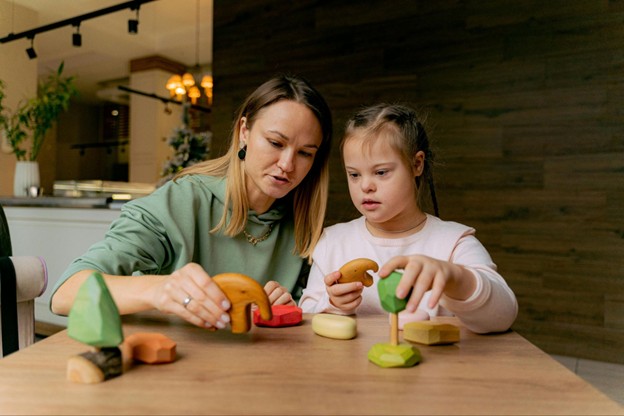
But don’t mistake creativity for chaos. Controlled mess matters here. A child doesn’t need a masterpiece — they need the freedom to repeat motions, try again, and see how cause leads to effect. When your child squeezes clay, strings together beads, or layers on paint, they’re doing more than just making — they’re building the hand strength, coordination, and tactile awareness needed for other parts of daily life. These seemingly small steps help build fine motor coordination that can carry over to writing, dressing, and even feeding skills. The key is repetition without pressure. A predictable art space — even just a corner of the table — can act as a calm anchor in their day.
Forget the Rules — Adapt the Art
Start with what’s reachable. A piece of chalk. A gluestick. Finger paints in a tray. Then watch how your child approaches it — and resist the urge to correct. One of the most effective things you can do isadjust projects to each child instead of trying to make them fit a traditional lesson plan. Research in the journal Art Education emphasized how “student-appropriate activities” — meaning, art that meets the learner where they are — increases focus, reduces shutdowns, and boosts self-worth. That means offering options, embracing imperfection, and letting repetition replace novelty.
Therapy Time Can Be Creative Time Too
Therapeutic goals don’t have to clash with creative ones. In fact, art often does best when it lives inside another routine — not outside of it. If your child receives speech therapy or occupational therapy, ask the therapist about ways to embed art into therapy sessions themselves. One publication from the Council for Exceptional Children outlined how adaptive materials — from wide-grip brushes to sensory-friendly modeling dough — can support emotional processing, executive function, and resilience. It’s not about keeping your child occupied; it’s about giving them agency in how they explore and respond to their world.
Make It Musical, Make It Multisensory

Some kids don’t connect with paint or markers — but hand them a drum and the room changes. This describes our daughter Jessica, who refuses to do art, but if you give her an instrument, she is in her element. Multisensory engagement matters, especially for children whose neurological wiring favors rhythm, vibration, or auditory feedback. If your child responds better to movement and sound than to visuals, try instruments made for their hands. There are professionals out there who specialize in just this — therapists whotry inclusive adaptive music tools tailored for nonverbal learners, neurodivergent kids, or those with motor differences. And the science backs it: Music and movement can enhance focus, support regulation, and encourage spontaneous interaction.
Let Technology Amplify Their Voice
And through it all, remember this: the goal is not to raise an artist. It’s to raise a child who feels seen. Who can make a mess, try again, and have that process recognized as valuable. When a child with special needs is offered a canvas — metaphorical or otherwise — they’re being offered control, clarity, and calm. That doesn’t happen through perfection. It happens through practice, patience, and presence. You don’t need training to give that. Just your attention, your consistency, and your willingness to stand back when the art begins to speak for itself.
Discover the heartwarming journey of resilience and hope in Vickie Rubin’s award-winning memoir, Raising Jess: A Story of Hope. Dive into her insightful blogs and resources for a blend of humor, education, and inspiration that will touch
For an inspiring stories about Raising a Child with a Rare Chromosome Deletion, check out 3-time award-winning memoir, Raising Jess: A Story of Hope!

Discover more from Vickie Rubin: Special Educator, Advocate, & Mom
Subscribe to get the latest posts sent to your email.
I love, “When your child squeezes clay, strings together beads, or layers on paint, they’re doing more than just making — they’re building the hand strength, coordination, and tactile awareness needed for other parts of daily life.” And your reminder to raise kids that are seen — so good. Thanks for this great encouragement, Vickie!
Thank you! Barbara Vaughan from , nine-to-thrive, wrote this piece – she offers a lot of good information! XOV
Thank you! Betty Vaughan wrote this article as a guest blogger, she has a lot of great suggestions! XOV
Love this…adapt and have fun…think of all the sensory stuff and gosh darn it…bring on the giggles, too. Such a good reminder, Vickie. Sending big hugs! 😊💝😊
Thank you from me and Betty Vaughan, who write this blog! Always appreciate your friendship and support! XOXOXOV
You are so welcome — Betty, too! 💝😉💝
I love this post, Vickie. The arts can indeed be so therapeutic for children, including and especially for those with additional needs. Arts education often get cut first during hard times and it frustrates me because it’s so shortsighted. I’m glad that kids get exposed to visual, musical and dramatic arts through school as it helps them discover and express themselves. 💕
Thank you, Ab. It is frustrating that the Arts are the first to be cut when budgets are tight. It’s shortsighted. Btw, Jessica uses paint brushes as weapons but give her a piano keyboard and she is golden! 🎹
Forget the rules. Love that. Thank you Vickie!
Thanks, Brian. Rules don’t always apply!!!